CBD scramble and pedestrian only phase crossings

The Hobart City Council has voted to make scramble crossings permanent at key CBD intersections.
This follows a successful trial that showed the traffic network can support these changes. The trial found positive outcomes for pedestrians, motorists and local businesses.
A scramble crossing is when all vehicle traffic is stopped, and people can cross in any direction within the intersection, including diagonally.
The intersections that have scramble crossings with permanent infrastructure are:
- Murray and Collins streets
- Murray and Liverpool streets.
The works to make scramble crossing permanent at these intersections include kerb reconfiguration and line-marking changes. There are also accessibility improvements to support diagonal crossings and improve safety.
There are also pedestrian only phase crossings at:
- Elizabeth and Liverpool streets
- Elizabeth and Collins streets.
Pedestrian only phase crossings operate the same as scramble crossings. The difference is they don't have the additional changes to kerbs and line markings.
At all of these crossings there is clear signage to show the directions pedestrians are allowed to cross.
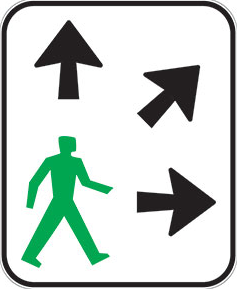
The upgrades support our commitment to improving pedestrian accessibility under the Central Hobart Plan and the Inner Hobart Transport Network Operations Plan.
Frequently asked questions (FAQs)
What is a scramble crossing?
A scramble crossing is a type of signalised intersection that:
- stops all vehicles at the same time
- allows people to cross in every direction, including diagonally
- eliminates conflicts between pedestrians and turning vehicles.
When vehicles receive their green light, they can move through the intersection without waiting for pedestrians crossing parallel to them.
How do they work?
Scramble crossings are used in cities across Australia and around the world. They have been shown to reduce crashes and improve safety in high foot traffic environments.
During the pedestrian phase:
- all vehicles are stopped
- people can cross in any permitted direction.
During the vehicle phase:
- people wait at the kerb
- vehicles move through the intersection without pedestrian conflict
Why is it called a scramble?
The name refers to the way people can move freely in all directions while vehicles are stopped. This approach improves safety in busy pedestrian areas and is especially helpful for older people and those who may have reduced mobility.
Can cyclists ride on the road ride through a scramble crossing during the pedestrian phase?
No. Cyclists riding on the road or in a bike lane must stop at a red traffic light. They cannot ride through the intersection during the pedestrian phase and must wait for the green light to go straight through or turn.
What if a cyclist dismounts at a scramble crossing?
A cyclist who dismounts before the stop line is treated as a pedestrian. They must still wait for the green light to cross the road and cannot walk their bike past the stop line when the light is red.
Can a cyclist use the footpath to cross during the pedestrian phase?
Yes, but only if they have not crossed the stop line while still on the road.
A cyclist may ride onto the footpath before the stop line, then use the crossing during the pedestrian phase. They may ride across the road (not diagonally), as long as they:
- travel slowly and safely
- give way to all pedestrians
- keep left of oncoming riders and pedestrians
- follow any local signs that restrict cycling on footpaths.
Are there restrictions on riding bikes on footpaths in Hobart's CBD?
Yes. Some parts of the CBD have time-based restrictions on cycling on footpaths. When these restrictions apply, cyclists cannot use the footpath to cross at a scramble crossing during the pedestrian phase.
Can a cyclist walk their bike across the scramble crossing?
Yes. A cyclist may walk their bike across the crossing in any permitted direction during the pedestrian phase, provided they moved onto the footpath without crossing the stop line when the light was red.
Where has this advice come from?
The Transport Commissioner is the statutory authority responsible for traffic road rules and traffic signals in Tasmania. The Commissioner issues directions, approves installations, sets standards, and oversees the safe and efficient operation of traffic signals across the state.
Location
Hobart CBD, Hobart 7000 View Map
-42.8826055,147.3257196
Hobart CBD ,
Hobart 7000
CBD scramble and pedestrian only phase crossings